Traders, transport operators and port officials meeting in Mwanza have called for faster government decisions and quicker feedback on their concerns as the route serving Tanzania's Central Corridor comes under pressure to perform better. The appeal was made at a meeting on Lake Victoria trade opportunities organised by the Tanzania Ports Authority (TPA), according to Daily News.
Participants argued that acting on recommendations already submitted, rather than continuing to study them, is central to making the corridor more productive. They also proposed relocating dirty cargo handling away from Mwanza South port to the Kigongo area on the shore of Lake Victoria.
Why it matters
The Central Corridor carries goods to and from Tanzania's neighbours, and the lake ports at Mwanza are a link between those markets and the wider network. Delays at the port or in permitting slow trade and raise costs for businesses on both sides of the border.
Daily News reports that TPA handled about 39.8 million tonnes of cargo in the 2025/2026 financial year, up from 32.7 million tonnes the year before. The authority's Director for Marketing and Relation, Mr George Fasha, linked the rise to client confidence, better infrastructure and closer work with stakeholders. He said Mwanza North and South ports can help coordinate markets in neighbouring countries, support border business, boost production and create jobs in the Lake Zone.
A dedicated site for dirty cargo
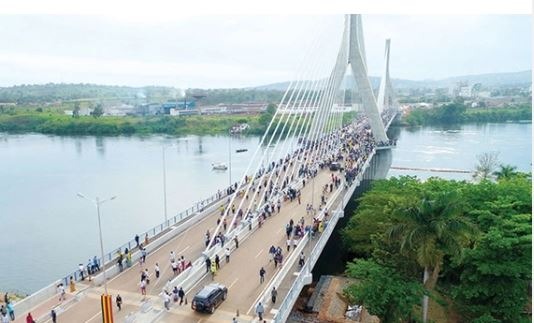
Stakeholders at the meeting said Mwanza South is unsuitable for dirty cargo such as coal because space is tight and facilities fall short of standard. They suggested Kigongo, which handled ferry traffic between Misungwi and Sengerema districts before the John Pombe Magufuli bridge was built, as an alternative.
According to the reporting, Kigongo offers more room and sits on the edge of the city, which backers say would ease congestion and reduce pollution in Mwanza itself. Some ferry infrastructure is already in place there and would only need renovation for cargo operations.
Mr Leonard Qwihaya, director of Qwihaya Company Limited, which mines and exports coal, said cramped conditions at Mwanza South damage his product. Loaders force coal into the available space, he said, causing it to crumble and lose weight, with some of it sinking into the ground. He also complained that loading takes too long and that traders face penalties once a 14-day free storage period ends, a cost that puts transporters off.
He said Kigongo would allow full-time operations and let investors hold extra stock, which matters because coal extraction becomes difficult in the rainy season when pits fill with water. He further proposed that storage at Kigongo be free of charge, given the limited number of vessels available to ship cargo out on time.
Permits and coordination
Mr Ibrahimu Chacha, director of Mkombozi Fishing and Marine Transport Company, pressed for prompt answers to concerns already handed to the government. He said he still waits a long time for a permit to build a shipyard, despite wanting to invest in shipbuilding in the Lake Zone. He has encouraged his children to study engineering, and some have graduated, as part of an effort to ease Tanzania's shortage of technical experts.
He attributed the hold-up to poor coordination between authorities. The city council has given its approval, he said, but other bodies, mainly environmental officials, require the yard to stand 60 metres from the lake. Mr Chacha said that distance does not work for shipbuilding, since vessels need to be close to the water to be launched once finished. He said he is also waiting for permits to upgrade two ports he owns at Kirumba and Igogo beaches, work he wants as protection against possible El Niño effects.
Mr Msumbuko Dean de Dieu, a representative of the Central Corridor Transit Transport Facilitation Agency (CCTTFA), said an efficient and competitive corridor depends on sustained commitment from everyone involved, including port authorities, customs, transport and railway operators, border agencies, dry ports, cargo owners and service providers. He said identifying problems is only a first step and that the value of such meetings lies in the solutions participants agree on and how far they carry them out.
He called for continued dialogue and mutual understanding, and for timely action on bottlenecks. Harmonising procedures, strengthening digital systems, sharing information better and tracking border-crossing times would all help cut unnecessary delays and transport costs, he said, while making logistics services more predictable and reliable. He described the Mwanza meeting as a chance to turn discussion into results that improve trade and transport connectivity across the corridor.
Mr Fasha said TPA works closely with stakeholders, which he credited for the growth in cargo volumes. He said completion of the Standard Gauge Railway, now under construction, is expected to bring further gains, with freight taking roughly eight hours from Dar es Salaam to Mwanza.
What to watch: whether the government responds to the Kigongo proposal and to the outstanding permits, and whether the railway's arrival changes how cargo moves through the lake ports.